A fortune, and who gets to tell it
Filing note: Filed under money, authorship, the recordLines underlined: 12
The underlined line
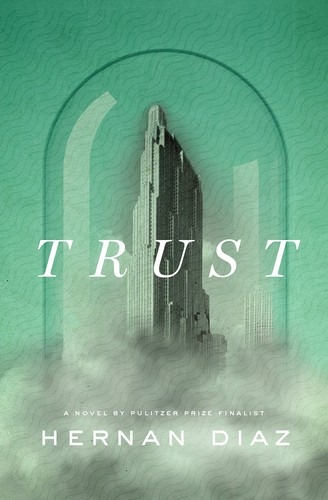
Trust opens inside another book. The first section is a complete novel called Bonds, attributed to a fictional author, and its first pages describe Benjamin Rask, heir to a tobacco fortune, a solitary man with a gift for numbers, in the polished, slightly antique register of early twentieth-century American fiction. The sentences are long, poised and confident. They sound like Edith Wharton or Henry James on a disciplined day.
What gets underlined is that confidence. The prose knows exactly what it thinks of its characters, sums up whole decades in a paragraph and never doubts its right to do so. That assurance is the first thing the rest of the novel sets out to question.
The architecture
The book is built from four documents. After Bonds comes the unfinished memoir of a financier who appears to be the model for Rask, written in a blunt, self-justifying voice and riddled with notes to himself. Then comes a later recollection by a woman who, as a young typist in the 1930s, was hired to help write that memoir. A final document, short and fragmentary, closes the book.
Each section is written in a distinct style, and each style is an argument. The novel pastiche treats wealth as a tragic romance. The memoir treats it as virtue rewarded. The typist's account treats it from below, from the vantage of someone paid to make another person's story sound true. The structure works like a set of financial statements that do not reconcile, and the reader becomes the auditor, checking one ledger against the next and noting where the figures have been quietly adjusted.
The hinge is the third section. Ida Partenza, the typist, is the first narrator who notices how stories are manufactured, because she is manufacturing one. Her chapters move between her years in her father's Brooklyn household and her work in the financier's office, and they are the warmest and most alive pages in the book. Once her voice enters, the earlier sections look different: less like history, more like product.
The theme
Trust is about two kinds of fiction that resemble each other more than either would like: the novel and the market. Both depend on belief. Both turn abstractions, paper, futures, narratives, into something people will stake their lives on. Diaz is interested in the moment in the late 1920s when fortunes could be made by betting on other people's confidence, and he draws a clean line from that to the way the rich commission their own legends.
The deeper question is authorship. Who gets to write the official record of a life, and who is erased in the writing? The book gives a specific and pointed answer, and it arrives through form rather than speeches. The voices that are paid, ignored or edited out turn out to hold the most important information.
The title works on every level: a financial instrument, a moral bond, and the thing a reader gives a narrator.
In the margin
The first section asks a lot. Its pastiche is skilful, but deliberately mannered and emotionally distant, and readers who do not yet know the game may wonder why they are reading it. The memoir that follows is intentionally thin and tiresome in places, because its author is. The method demands both, but the method has a cost in momentum.
The final document is also very brief, and its effect depends on the reader having assembled the earlier pieces with care. For some it will land as a revelation; for others it may feel more schematic than surprising. A structure this clever sometimes shows its joinery.
Last note
Trust shared the 2023 Pulitzer Prize for Fiction, and it earns that standing through architecture as much as prose. It is a novel that reads its own genre critically, using the conventions of the big American money novel to expose the money behind the conventions.
The most powerful move is a quiet one: it makes the reader notice who is holding the pen. After the last page, that question is hard to stop asking of every other story about wealth.